PCOS has a new name: PMOS, Polyendocrine Metabolic Ovarian Syndrome.
At first glance, that may sound like a technical update. But this name change is much bigger than terminology. It reflects a shift in how this condition is understood, discussed, and hopefully treated.
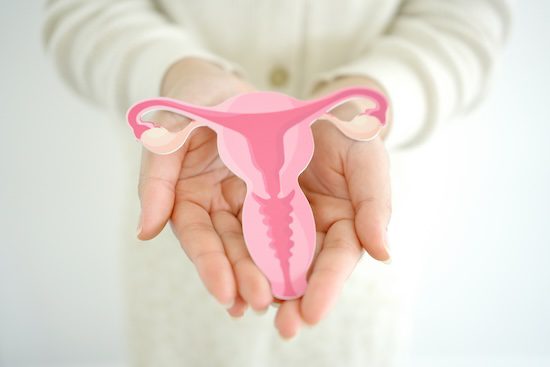
For decades, “polycystic ovary syndrome” placed the focus on the ovaries, especially the presence of ovarian “cysts.” But that name never told the whole story. PMOS is not simply an ovarian cyst problem. It is a whole-body endocrine and metabolic condition involving hormone signaling, insulin regulation, inflammation, ovulation, skin, mood, weight, and long-term metabolic health.
The new name recognizes what many women have felt for years: their symptoms were connected, even when conventional care treated them like separate problems.
The Endocrine Society announced the name change in May 2026, noting that PMOS affects about 1 in 8 women worldwide and that the previous name contributed to misunderstanding the condition as being “all about ovarian cysts.”
The old name missed the root of the problem
The name PCOS made many people think the main issue was ovarian cysts. But many women with this condition do not have true ovarian cysts in the way most people imagine them. What is often seen on ultrasound are small, immature ovarian follicles – eggs that began developing but did not fully mature or release through ovulation.
That distinction matters.
If the conversation stays focused only on the ovary, the deeper question gets missed: Why is ovulation disrupted in the first place?
This is where functional and holistic medicine have been ahead of the curve. For years, root-cause providers have looked at PCOS through the lens of insulin resistance, inflammation, blood sugar dysregulation, androgen excess, gut health, stress physiology, toxic burden, and hormone communication.
In other words, functional medicine was already looking where the new name is now pointing.
PMOS is metabolic, hormonal, and inflammatory
The word “polyendocrine” means multiple hormone systems are involved. That matters because PMOS is not just about the ovaries. It can involve the pancreas, adrenal glands, thyroid function, stress hormones, androgen production, and insulin signaling.
The word “metabolic” is just as important.
Metabolism is not only about weight. It is about how the body handles blood sugar, insulin, energy production, fat storage, inflammation, and cellular function. When that system becomes disrupted, hormone patterns can shift.
Insulin is one of the biggest pieces of the PMOS picture.
When insulin stays elevated, it can signal the ovaries to produce more androgens. Higher androgens can contribute to irregular cycles, acne, facial hair growth, thinning hair, cravings, belly weight, and difficulty losing weight. This is why PMOS cannot be fully understood if insulin and blood sugar are ignored.
At CIMC, we approach PMOS as a whole-body metabolic and hormonal condition, not just a gynecologic issue. We look at the systems that may be driving the pattern – blood sugar regulation, insulin resistance, inflammation, gut health, thyroid function, adrenal stress, detox pathways, nutrient status, and hormone signaling. From there, we create a personalized plan to support the body at the root, which may include nutrition guidance, advanced lab evaluation, body composition testing, targeted supplementation, healing IV therapies, and lifestyle strategies that improve metabolic function over time.
Your symptoms are not random
PMOS can show up in many ways:
Irregular cycles.
Acne.
Facial hair growth.
Thinning hair.
Stubborn weight.
Cravings.
Fatigue.
Low mood.
Anxiety.
Fertility struggles.
Blood sugar swings.
Poor sleep.
Inflammation.
These symptoms can feel disconnected, but they often share the same deeper roots.
The skin is not separate from hormones.
The cycle is not separate from insulin.
Mood is not separate from inflammation.
Weight is not separate from blood sugar.
Ovulation is not separate from the body’s internal environment.
This is why PMOS deserves more than a narrow treatment plan. It requires a whole-body conversation.
Birth control does not fix PMOS
For many women, the default conventional answer has been the birth control pill.
Birth control can override the body’s natural hormone rhythm. It can create a predictable bleed. It can suppress ovulation. It can quiet symptoms like acne or irregular bleeding for some women.
But that is not the same as healing the metabolic root.
Birth control does not correct insulin resistance. It does not restore healthy ovulation. It does not lower inflammation. It does not resolve blood sugar dysregulation. It does not ask why androgens are elevated or why the body is struggling to regulate hormones in the first place.
PMOS deserves more than suppression.
A withdrawal bleed is not the same as a healthy cycle. Symptom control is not the same as hormone healing. And masking the outward signs does not mean the internal environment has been restored.
That does not mean every woman’s situation is the same. But it does mean women deserve to be told the truth: the pill is not a root-cause plan for PMOS.
The gut, liver, and mitochondria belong in the PMOS conversation
A truly holistic approach to PMOS goes beyond the ovaries and looks at the terrain.
The gut microbiome helps regulate inflammation, immune signaling, blood sugar response, bile acid metabolism, and hormone processing. When the gut is inflamed or imbalanced, the entire hormone environment can become more reactive.
The liver also plays a major role. Hormones must be metabolized and cleared properly. When liver detox pathways are burdened by poor diet, alcohol, environmental chemicals, inflammatory foods, constipation, or toxic exposure, hormone balance can suffer.
Mitochondrial health matters too. The ovaries, brain, liver, muscles, and endocrine system all depend on cellular energy. When mitochondrial function is stressed, the body has a harder time regulating metabolism, hormones, inflammation, and resilience.
This is why PMOS cannot be reduced to one lab marker or one symptom. The body is a system.
What does a root-cause approach look like?
A root-cause approach to PMOS starts by asking better questions.
What is happening with fasting insulin?
How stable is blood sugar throughout the day?
Are androgens elevated?
Is ovulation actually occurring?
Is inflammation high?
Is thyroid function optimal?
Is the gut inflamed or imbalanced?
Are detox pathways sluggish?
Is stress physiology keeping the body in survival mode?
Are sleep and circadian rhythm supporting hormone repair?
Is toxic burden interfering with endocrine signaling?
From there, the goal is to restore the conditions for hormone balance.
That often includes building meals around protein, fiber, and healthy fats. Reducing sugar and refined carbohydrates. Strength training. Walking after meals. Improving sleep. Supporting the gut. Addressing constipation. Lowering inflammatory foods. Reducing endocrine-disrupting chemicals. Supporting liver detoxification. Testing deeper markers instead of only running the basics.
PMOS is not about doing one dramatic thing. It is about changing the signals the body receives every day.
The name changed because the understanding changed
The shift from PCOS to PMOS matters because names shape care.
When PMOS is treated as only an ovarian or gynecological condition, care can become too narrow. Irregular cycles are often addressed with birth control. Acne may be sent to dermatology. Fertility struggles may be separated into reproductive medicine. Weight gain may be met with oversimplified advice to eat less and exercise more. But for many women, these symptoms are not separate problems. They are connected signs of a deeper metabolic and hormonal pattern that deserves to be evaluated as a whole.
PMOS gives clinicians and patients a better framework for understanding what is really happening.
It says the ovaries are part of the picture, but not the whole picture. It says metabolism matters. It says insulin matters. It says inflammation matters. It says the endocrine system is connected. It says women deserve care that looks at the whole body, not just the symptoms.
That is exactly the kind of care women with PMOS have needed all along.
PMOS care in Charlottesville, VA
At Castro Integrative Medicine in Charlottesville, VA, we take a root-cause approach to hormone health, metabolic dysfunction, inflammation, gut health, blood sugar imbalance, toxic burden, mitochondrial health, and nervous system stress. If you are struggling with symptoms of PMOS – including irregular cycles, acne, facial hair growth, thinning hair, stubborn weight, cravings, fatigue, mood changes, or fertility concerns – our integrative medical team looks deeper to understand what is driving the pattern. To learn more about functional medicine for hormone imbalance, PMOS, insulin resistance, metabolic health, and whole-body wellness in Charlottesville, visit Castro Integrative Medicine and explore how our holistic approach helps patients regain, maintain, and enhance their health.